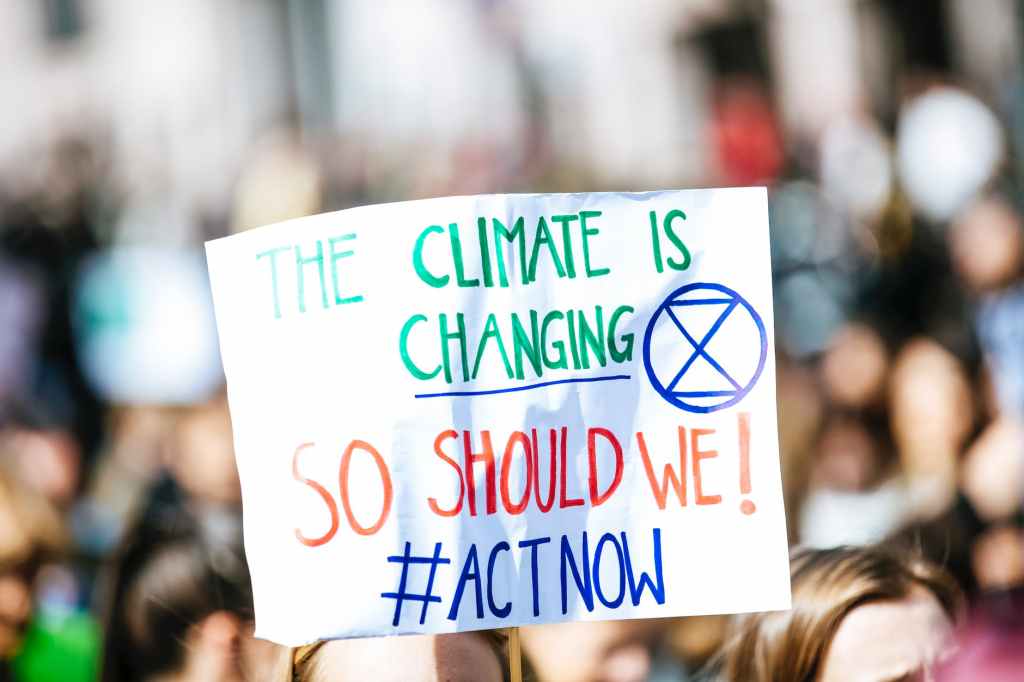
Climate change, a global phenomenon driven by human activities, is a pressing issue that demands immediate attention. The Earth’s climate is undergoing significant transformations, impacting ecosystems, weather patterns, and the livelihoods of millions. This article delves into the causes, consequences, and the imperative need for collective action to mitigate and adapt to climate change.
The primary contributors to climate change are anthropogenic, resulting from activities such as burning fossil fuels, deforestation, and industrial processes. Greenhouse gas emissions, particularly carbon dioxide and methane, trap heat in the atmosphere, leading to a gradual rise in global temperatures. The consequences of these actions are far-reaching, affecting ecosystems and exacerbating extreme weather events.
The effects of climate change are already evident, with rising sea levels, more frequent and severe heatwaves, changing precipitation patterns, and disruptions to ecosystems. Coastal communities are particularly vulnerable to sea-level rise, while extreme weather events pose threats to agriculture, water resources, and human health. Biodiversity loss and the acidification of oceans further compound the ecological impact.
Climate change is a global challenge that transcends borders. Developing nations often bear a disproportionate burden, facing increased risks of food insecurity, water scarcity, and extreme weather events. However, industrialized nations are not immune, as they grapple with economic ramifications, forced migration, and the strain on infrastructure.
Mitigating climate change requires a dual approach: reducing greenhouse gas emissions and enhancing our capacity to adapt to the changes that are already underway. Transitioning to renewable energy sources, promoting sustainable practices, and implementing policies to curb emissions are crucial steps. Additionally, communities worldwide must invest in adaptive strategies, such as resilient infrastructure and sustainable land-use planning.
Addressing climate change necessitates global collaboration. International agreements, such as the Paris Agreement, provide a framework for nations to work together toward common goals. Commitments to emission reductions, technology transfer, and financial support for vulnerable countries underscore the importance of shared responsibility in tackling this global crisis.
While international efforts are essential, individuals can contribute to the fight against climate change in their daily lives. Sustainable choices, such as reducing energy consumption, supporting eco-friendly practices, and advocating for policy changes, collectively make a significant impact. Awareness and education play crucial roles in fostering a global mindset that prioritizes environmental sustainability.
Climate change is not a distant threat but an immediate and pervasive challenge that requires urgent action. The scientific consensus is clear, and the consequences of inaction are severe. Through a combination of international cooperation, policy changes, and individual responsibility, we can mitigate the impacts of climate change and work towards a sustainable and resilient future for generations to come.
 DL Group Corp.